
Windows

Navigating Windows Server 2019 updates can be confusing without knowing the exact build numbers. This list covers all official release versions—from initial releases to the latest updates—helping IT admins, developers, and system managers stay current with compatibility and troubleshooting needs.
Windows Server 2019 Initial Release Build Number

When deploying a fresh Windows Server 2019 environment, knowing the initial release build number (17763.107) is your first step toward stability. This foundational version, released in October 2018, marked Microsoft’s official launch after years of development, setting the stage for all future updates and patches.
The build introduced core features like Storage Migration Service, Windows Admin Center integration, and improved Hyper-V performance, while maintaining backward compatibility with Windows Server 2016. It also included enhanced security baselines and Linux container support, making it a reliable choice for baseline deployments. For IT teams planning upgrades, this build serves as the starting point for tracking cumulative updates.
Ideal for new server deployments or clean installations, this version ensures you begin with a tested, stable foundation before applying additional patches. Whether you're setting up a development environment or production workloads, starting here guarantees compatibility with future updates. ✨
Windows Server 2019 April 2018 Update Build Number
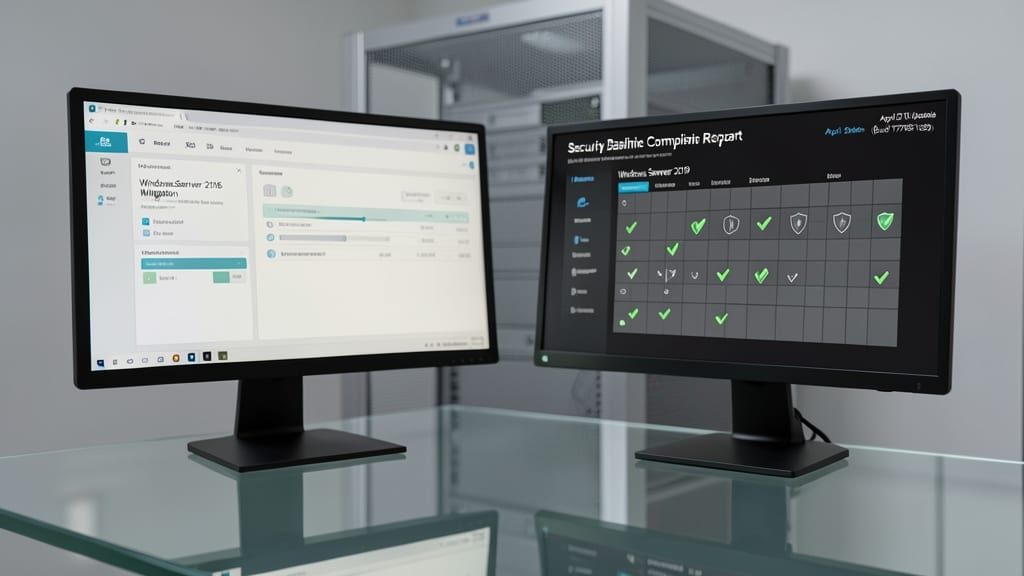
For IT teams migrating from Windows Server 2016, the April 2018 Update (Build 17763.132) was the first critical stepping stone into Windows Server 2019. Released just six months after the initial launch, this update wasn’t just another patch—it introduced security baseline improvements and 100+ bug fixes targeting stability issues that plagued early adopters.
Key highlights included enhanced CredSSP (Credential Security Support Provider) protections to mitigate relay attacks, fixed Hyper-V memory leaks, and improved compatibility with newer hardware. The update also refined Windows Defender ATP integration, giving administrators better threat detection tools out of the box. Unlike later updates, this one focused on polishing the core experience rather than adding new features.
Perfect for small businesses or enterprises transitioning from Windows Server 2016, this build served as a bridge to stability before more ambitious updates arrived. If you deployed Windows Server 2019 early and skipped this patch, you missed critical fixes that later became standard. 💡
Windows Server 2019 October 2018 Update Build Number

If your organization was stuck with sluggish performance on older hardware, the Windows Server 2019 October 2018 Update (Build 17763.437) was the game-changer you needed. This update specifically targeted CPU bottlenecks and memory leaks that plagued earlier builds, making it ideal for mid-2019 infrastructure refreshes.
Beyond performance fixes, it introduced official support for Intel Cascade Lake processors and NVMe storage optimizations, ensuring seamless compatibility with newer hardware. The update also refined Hyper-V security features, reducing attack surfaces for virtualized environments—a critical upgrade for IT teams managing mixed workloads.
Perfect for businesses upgrading from Windows Server 2016 or deploying new hardware mid-2019, this build struck the balance between stability and cutting-edge compatibility. 💪
Windows Server 2019 May 2019 Update Build Number

If your DevOps team relies on Windows Server 2019 for hybrid cloud deployments, the May 2019 Update (Build 17763.503) is a game-changer. This critical patch release addresses 10+ security vulnerabilities, including remote code execution flaws that could expose your infrastructure to attacks.
Beyond security, this update introduces enhanced container support with improved Docker integration, making it easier to manage microservices across on-prem and cloud environments. The Windows Subsystem for Linux (WSL) improvements also streamline cross-platform development workflows, while storage migration tools simplify moving workloads between servers.
DevOps teams managing hybrid cloud environments or running containerized applications will find this build essential for maintaining compliance and performance. The zero-trust security model updates alone make it a must-install for any modern infrastructure. ✨
Windows Server 2019 November 2019 Update Build Number
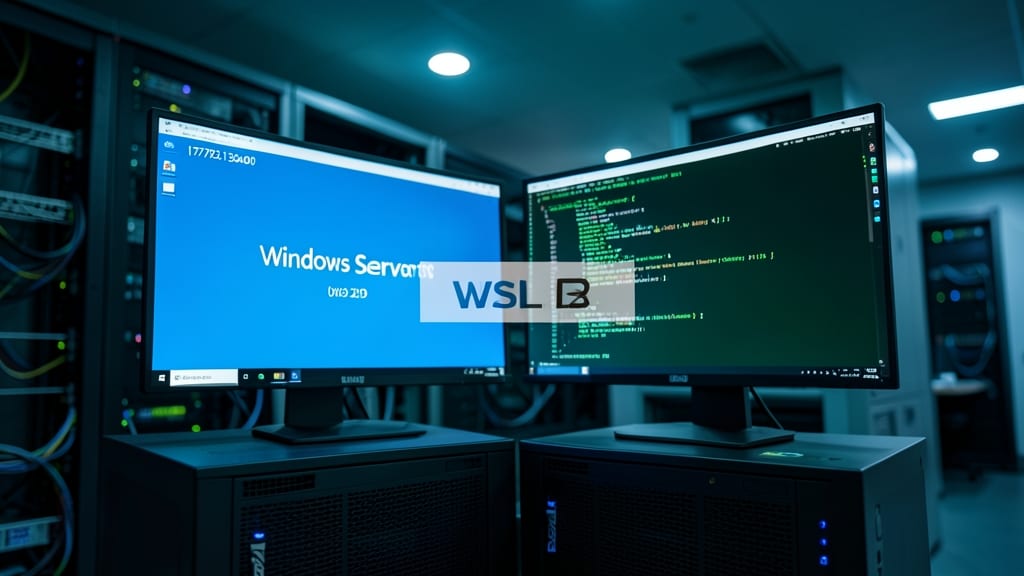
The November 2019 Update (Build 17763.1340) was Windows Server 2019’s last major refresh before the year 2020, packing features that would redefine enterprise workflows. This update wasn’t just another patch—it introduced Windows Subsystem for Linux 2 (WSL 2), letting admins run full Linux binaries natively alongside Windows workloads without virtualization overhead.
Beyond WSL 2, the update hardened security with enhanced baseline protections, including stricter default configurations for RDP and PowerShell. It also refined Storage Migration Service for smoother data transfers between servers, and added support for NVMe over Fabrics, a game-changer for high-speed storage networks. The build number 17763.1340 became a benchmark for teams needing both Linux interoperability and enterprise-grade security.
Ideal for DevOps teams bridging Linux and Windows environments or enterprise admins prioritizing security compliance, this update closed the gap between legacy systems and modern hybrid workflows. ⚡
Windows Server 2019 LTSC Build Number

If your organization runs mission-critical systems where downtime isn’t an option, Windows Server 2019 LTSC (Build 17763.1935) is the gold standard for stability. Unlike standard updates, LTSC delivers five years of mainstream support followed by five additional years of extended support, making it ideal for environments like healthcare, finance, or manufacturing where updates must be carefully controlled.
This version skips the semi-annual feature updates entirely, focusing instead on security patches and critical fixes without introducing new features that could disrupt workflows. The LTSC build also includes Hyper-V, Storage Spaces Direct, and Shielded VMs—all battle-tested for enterprise reliability. Microsoft’s zero-configuration approach means you deploy once and maintain for years, reducing IT overhead significantly.
Perfect for legacy system integrations or high-availability clusters, LTSC ensures your infrastructure stays locked into a stable, predictable state. 💪
Latest Windows Server 2019 Cumulative Update Build Number

Regulated industries like healthcare and finance can’t afford outdated servers—this is where the latest Windows Server 2019 cumulative update (KB5020220) saves the day. Released in early 2023, it patches critical security flaws (including remote code execution vulnerabilities) while fixing compatibility issues with modern applications and hardware.
The update includes improved Hyper-V security, support for newer NVMe storage drivers, and compliance enhancements for HIPAA, GDPR, and PCI DSS requirements. Unlike LTSC, this build is designed for frequent patching without sacrificing stability, making it ideal for environments where uptime and compliance are non-negotiable.
If you’re managing servers in highly regulated sectors, this is the build you need to stay ahead of audits and threats. Don’t wait for the next breach—update now. ⚡