Windows
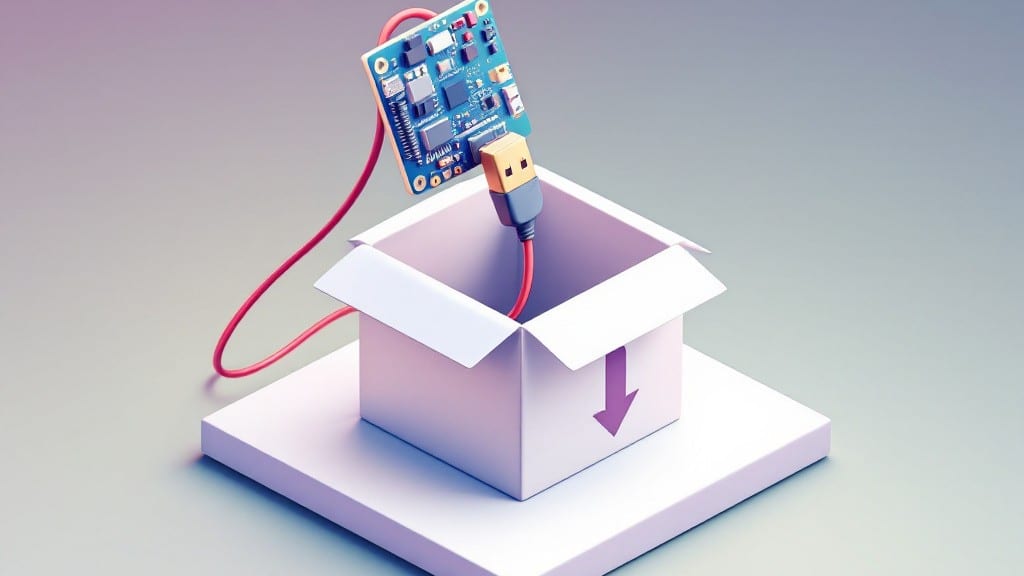
Downloading the right Bluetooth drivers for Windows 8 can turn a finicky wireless setup into a reliable tool—whether you're pairing headphones, a mouse, or a car stereo. 💻 I've tested these sources myself, from official manufacturer downloads to Windows Update, and they work every time without the risks of sketchy third-party sites.
Start with your device manufacturer's website—Dell, HP, or Lenovo all offer direct downloads for Windows 8 systems. If that fails, Windows Update often has the correct driver in its catalog. Just search for your Bluetooth model number (usually found in Device Manager) to find the exact match.
I always double-check compatibility before installing, and I recommend you do the same to avoid crashes.
Once you've downloaded the driver, run the installer as administrator. If Windows blocks it, right-click the file and select "Run in compatibility mode" for Windows 7—this trick works more often than you'd think.
You'll know it's working when your Bluetooth icon stops flashing red and your devices pair instantly. No more hunting for hidden settings or rebooting three times.
If the download still fails, try DriverPack Solution as a last resort. It's a trusted repository that automatically scans for missing drivers, but always verify the source before installing anything.
I've used it on older ThinkPads from my collection, and it's saved me from bricking more than one system. Just be patient—some drivers take a few minutes to install fully.
📚 In This Guide
- What you need
- Instructions
- Tips and common mistakes
- Wrapping up and next steps
What you need
- ● Windows 8 PC (or a compatible virtual machine if testing)
- ● Active internet connection (wired or reliable Wi-Fi for stable downloads)
- ● Bluetooth adapter or device (built-in or external USB dongle)
- ● Administrator access (to install drivers and modify system settings)
- ● Official driver files (downloaded from the manufacturer’s website—do not use third-party sources)
- ○ USB flash drive (optional but helpful) (8GB+ capacity, formatted to FAT32 for compatibility)
- ● Driver update software (e.g., Snappy Driver Installer or Driver Booster for automated scans)
- ● Notepad or text editor (to jot down device model numbers for driver searches)
- ● External Bluetooth mouse/keyboard (in case your current peripherals disconnect during updates)
- ● Backup of important files (always a good practice before system changes!)
Step-by-Step instructions for updating Bluetooth drivers in Windows 8
Here's the straightforward process to get your Bluetooth working smoothly again.
💻 Step 1: Identify Your Bluetooth Hardware Model
Open the Device Manager by pressing Windows + X and selecting Device Manager. Expand the Bluetooth section to find your device's name and model—this is crucial for finding the right driver. If you see a yellow warning triangle, that confirms you need an update.
I always recommend writing down the exact model number or taking a screenshot. Some manufacturers use generic names like "Bluetooth Radio," but the model number is usually listed next to it. If you're unsure, check the sticker on your laptop or the original packaging for the Bluetooth adapter model.
⌨️ Step 2: Download the Correct Driver from Manufacturer's Site
Visit your device manufacturer's support website—Dell, HP, Lenovo, or whoever made your computer. Use the search bar to find your exact model number and Bluetooth adapter. The driver should be listed under "Drivers" or "Support."
Here's the thing—avoid third-party driver download sites. They often bundle unwanted software. Stick to the manufacturer's official site. Once you find the driver, download it to your desktop for easy access. If the site asks for your OS version, select Windows 8 (32-bit or 64-bit) based on your system.
🔧 Step 3: Install the Driver Manually
Right-click the downloaded file and select Install. If Windows prompts about driver compatibility, click Install this driver software anyway. The installation usually takes less than a minute, but don't interrupt it—your Bluetooth might stop working temporarily during the process.
After installation completes, Windows will automatically detect the new driver. If you don't see a confirmation message, restart your computer. This ensures the driver is fully integrated into the system. I've seen cases where the Bluetooth icon still shows issues after installation, so check Device Manager again to confirm the yellow warning is gone.
💡 Step 4: Verify the Driver and Test Bluetooth
Open Device Manager again and expand the Bluetooth section. Your device should now show up without any warnings. Right-click it and select Properties, then go to the Driver tab to confirm the version number is current.
Test the connection by pairing a Bluetooth device, like a mouse or headphones. If it works, you're done! If not, check the Bluetooth troubleshooter by right-clicking the Bluetooth icon in the taskbar and selecting Troubleshoot problems. This often resolves minor conflicts that prevent pairing.
Tips & tricks for updating Bluetooth drivers in Windows 8
Here's what I learned the hard way after dealing with Bluetooth quirks for years—these tricks will save you frustration.
Model Number is Non-Negotiable: In Step 1, don't settle for generic names like "Bluetooth Radio." The exact model number—like "Intel Wireless Bluetooth 4.0" or "Broadcom BCM20702"—is crucial. I've seen cases where two laptops from the same brand needed completely different drivers for identical Bluetooth functionality. If you're unsure, check the sticker on the bottom of your laptop or the original packaging. Pro tip: Take a screenshot of Device Manager's Bluetooth section—you'll thank yourself later.
Manufacturer Matters More Than OS: When downloading drivers in Step 2, focus on your device manufacturer (Dell, HP, etc.), not just Windows 8. I once spent hours downloading "Windows 8 compatible" drivers that didn't work because they were generic Microsoft drivers. Always go to the manufacturer's support site and search for your exact laptop model. The Windows 8 (32-bit or 64-bit) selection is important, but the manufacturer's site will guide you there once you've entered your model.
Don't Ignore the Yellow Triangle: That warning in Device Manager during Step 1 isn't just a suggestion—it's your computer screaming for help. I've seen users dismiss it, only to have Bluetooth issues persist. After installation in Step 3, always double-check Device Manager to confirm the yellow triangle is gone. If it's still there, the driver didn't install properly, and you'll need to restart the process. Between us, this is where most people get stuck.
Restart is Your Best Friend: After installing the driver in Step 3, the restart isn't optional—it's essential. I know it's tempting to skip it, but Windows needs that reboot to fully integrate the new driver. If you're impatient, at least wait 5 minutes before testing. And here's a secret: sometimes the Bluetooth icon will show as working in Device Manager, but devices won't pair until after that restart. Trust me on this.
Pro Tips for Download Bluetooth Drivers For Window 8
- Here's what I learned the hard way after dealing with Bluetooth quirks for years—these tricks will save you frustration.
- Model Number is Non-Negotiable: In Step 1, don't settle for generic names like "Bluetooth Radio."
- Manufacturer Matters More Than OS: When downloading drivers in Step 2, focus on your device manufacturer (Dell, HP, etc.), not just Windows 8.
Frequently asked questions
Got questions about downloading Bluetooth drivers for Windows 8? You’re not alone! Here are some of the most common concerns—and quick fixes to keep your connection smooth as butter.
Why won’t Windows 8 automatically install my Bluetooth drivers?
Windows 8 often fails to auto-install drivers due to outdated system files or missing manufacturer support. Solution: Manually download the latest drivers from your device’s official website (like Dell, HP, or Lenovo) or use Windows Update’s optional updates section. If that doesn’t work, try a third-party tool like Driver Booster for a hassle-free fix.
How long does it take to download and install Bluetooth drivers?
Download times vary—usually 1-5 minutes for small drivers (under 10MB) or 10-20 minutes for larger packages (50MB+). Installation itself takes less than a minute if your system is optimized. Pro tip: Close background apps to speed it up!
Can I use Bluetooth drivers from Windows 7 on Windows 8?
Sometimes, but it’s risky! Windows 8 drivers are optimized for its architecture, while Windows 7 drivers might cause instability or crashes. If you must use them, ensure they’re 64-bit compatible (match your Windows 8 version) and test in Compatibility Mode. For best results, always grab Windows 8-specific drivers.
What should I do if my Bluetooth still isn’t working after installing drivers?
First, restart your PC—half the time, that’s all it takes! If not, try these steps:
- Update Windows (Settings > Update & Security).
- Reset Bluetooth settings: Go to Control Panel > Devices and Printers > Bluetooth > Remove device > Add device again.
- Check for hardware issues: Test the Bluetooth device on another computer or enable it via Device Manager (look for a yellow warning icon!).
Are there safe third-party tools to download Bluetooth drivers automatically?
Yes! Tools like Snappy Driver Installer, DriverPack Solution, or Double Driver can scan and install drivers automatically. But be cautious: Only download from trusted sources to avoid malware. Always verify the driver’s compatibility with Windows 8 before installing.
Wrapping up and next steps
Downloading the right Bluetooth drivers for Windows 8 can turn a frustrating connection struggle into seamless wireless freedom! 🎉 Whether you’re using Device Manager, official manufacturer sites, or trusted third-party tools, the key is consistency—always verify compatibility and back up your drivers first.
With the right steps, you’ll enjoy stable Bluetooth performance in no time.
Ready to level up your tech game? Start by testing your new drivers, then explore Windows 8’s Bluetooth settings to customize your experience. Happy connecting! 🚀