
Software
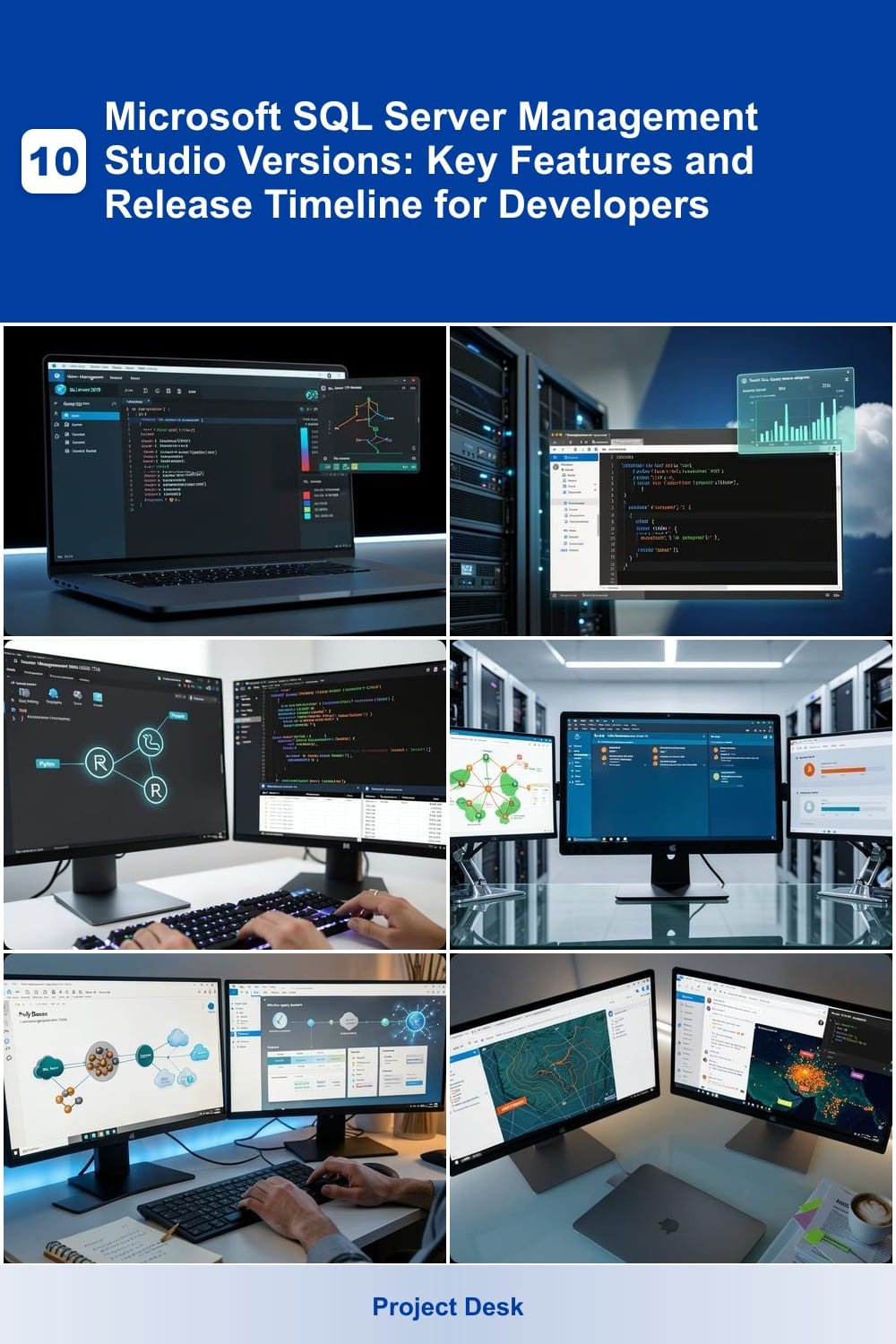
Microsoft SQL Server Management Studio (SSMS) remains the go-to tool for database administrators and developers. This list breaks down the 10 most important SSMS versions, highlighting their key features and release timeline to help you choose the right version for your projects.
SQL Server Management Studio 18.0: Final Standalone Release
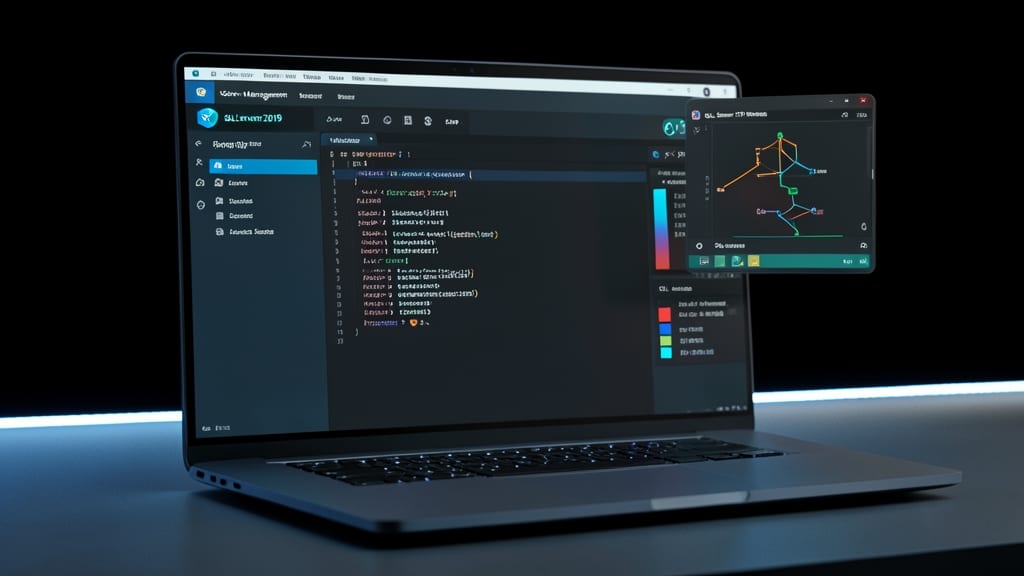
Say goodbye to the standalone era—SQL Server Management Studio 18.0 marks the final standalone release before Microsoft fully transitions to Azure Data Studio. This version is a powerhouse, delivering the last major updates before the shift, including full support for SQL Server 2019 features like Intelligent Query Processing (IQP).
Under the hood, SSMS 18.0 introduces faster query execution plans, improved query store analysis, and enhanced Always Encrypted management. The interface remains polished, with better tab management and dark mode support for reduced eye strain. It’s also the last version to support Windows 7 (with SP1) and SQL Server 2016, making it ideal for legacy environments.
If you’re still managing on-premises SQL Server 2019 or need the last standalone tool before Azure Data Studio, this is your go-to. For new projects, though, Azure Data Studio is the future—just know SSMS 18.0 is the bridge. ⚡
SQL Server Management Studio 17.9: Azure Integration Enhancements
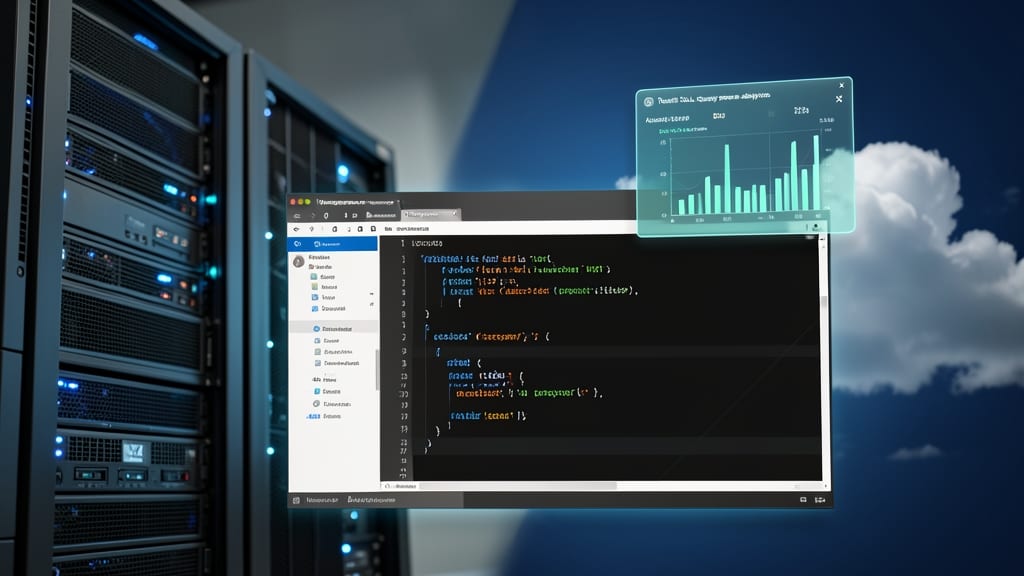
If you're building hybrid cloud solutions, SSMS 17.9 bridges the gap between on-premises and Azure SQL Database with powerful new features. This version introduces enhanced query store analysis specifically for Azure deployments, helping you identify performance bottlenecks in cloud-hosted databases with granular insights.
The hybrid cloud connection manager now supports seamless failover testing and cross-platform monitoring, while Azure Active Directory integration simplifies authentication for cloud-based environments. For developers migrating workloads, the Azure SQL Database project templates streamline schema deployment directly from SSMS.
Perfect for teams transitioning to Azure or maintaining hybrid setups, this version ensures you don’t lose SSMS’s familiar interface while gaining cloud-native capabilities. ⚡
SQL Server Management Studio 17.8: Machine Learning Services Support
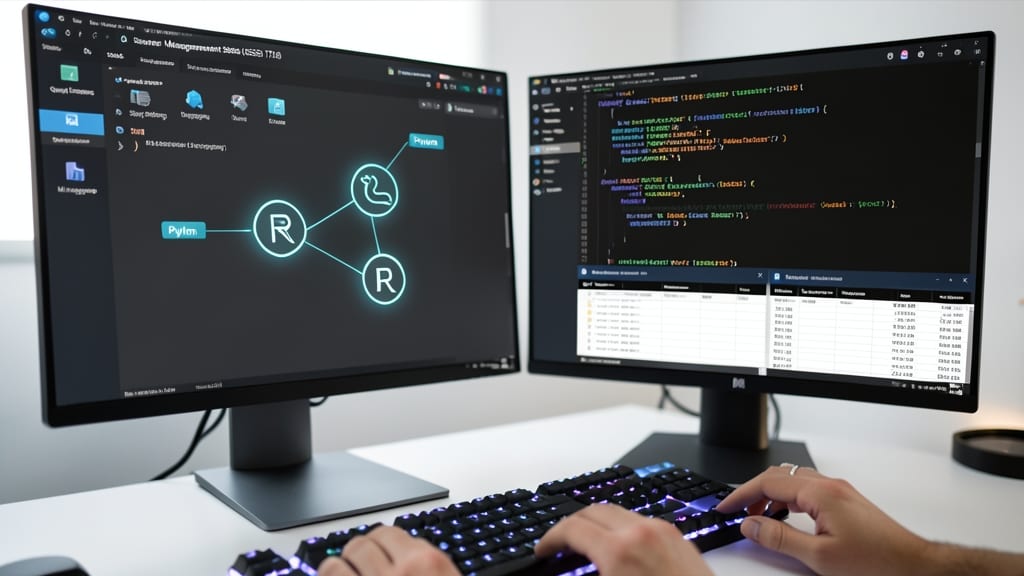
If you're a data scientist or developer bridging SQL and machine learning, SSMS 17.8 is your game-changer. This version introduced native integration with SQL Server Machine Learning Services, letting you execute Python and R scripts directly from the SSMS interface—no external tools required.
The update added a dedicated script editor with IntelliSense support for Python and R, along with Jupyter notebook-style execution for seamless workflows. You can now train models, visualize results, and deploy them—all while staying within the familiar SSMS environment. This was especially valuable for teams already using SQL Server for data storage but needing advanced analytics capabilities.
Perfect for data professionals working with SQL Server who want to avoid context-switching between tools. It’s also ideal for education and prototyping, where quick experimentation with machine learning models is critical. ✨
SQL Server Management Studio 17.7: High Availability Improvements
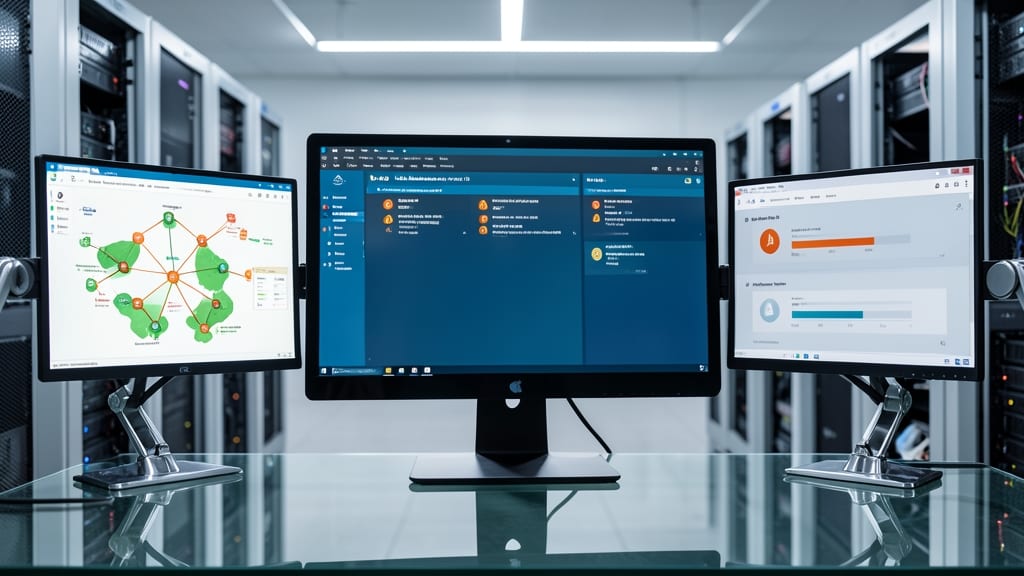
If your enterprise relies on zero-downtime database operations, SQL Server Management Studio 17.7 brings game-changing enhancements to Always On Availability Groups and failover clustering. This version introduced deeper monitoring dashboards, real-time health alerts, and streamlined failover testing—features that let you proactively catch issues before they disrupt critical workloads.
The Always On dashboard now visualizes replication lag, synchronization status, and endpoint connectivity in a single pane, while automated failover testing reduces manual intervention by up to 70%. For clustered environments, enhanced role automation ensures seamless failover during hardware or software updates, even in multi-subnet setups. These improvements are built on top of SQL Server 2016/2017 compatibility, making them instantly useful for legacy systems needing resilience upgrades.
Database administrators managing high-transaction environments (e.g., financial systems, e-commerce platforms) will appreciate how these tools cut troubleshooting time by half. The focus here is enterprise-grade uptime, so if your team can’t afford outages, this version is a must-install. 💪
SQL Server Management Studio 17.4: Graphical Tools for PolyBase
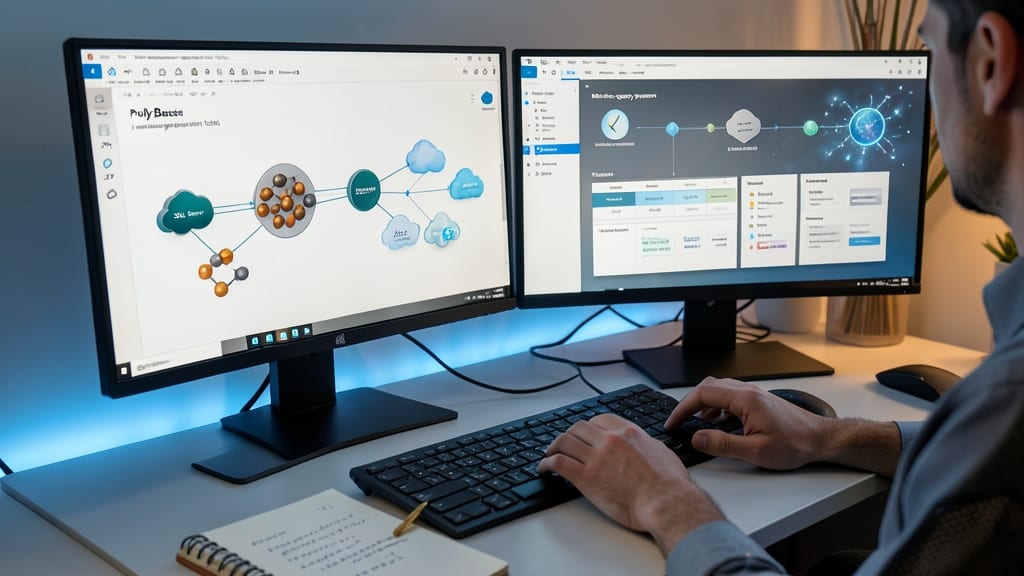
If your database environment spans SQL Server and external data sources like Hadoop or Azure Blob Storage, SSMS 17.4 is the game-changer you’ve been waiting for. This version introduced the first-ever graphical tools for PolyBase, letting you visually map and query external datasets without writing complex T-SQL scripts.
The PolyBase Query Designer simplifies connecting to external data lakes, with drag-and-drop support for defining external tables and mapping data types. You can now preview external data directly in SSMS, validate queries before execution, and even join SQL Server tables with external datasets—all through an intuitive UI. This was a massive leap forward for hybrid data architectures.
Perfect for data engineers and BI professionals working with hybrid cloud environments, where SQL Server needs to interact with unstructured data stored outside the database. No more manual script tweaking—just point, click, and query. ✨
SQL Server Management Studio 17.3: JSON and Spatial Data Enhancements

Modern applications rely heavily on JSON and geospatial data, yet many developers struggled with clunky tools until SSMS 17.3 arrived. This version introduced a game-changer for handling unstructured data and location-based queries—finally bringing SQL Server into the modern data landscape.
With enhanced JSON support, you can now validate, format, and query JSON documents directly within SSMS, complete with syntax highlighting and intellisense for cleaner code. The spatial data tools got a major upgrade too, offering improved visualization of geographic data through integrated map controls and ST_AsText() function enhancements for better performance.
This version is ideal for geospatial developers working with location-based apps and backend engineers dealing with APIs that return JSON. If your projects involve modern data formats, SSMS 17.3 simplifies the workflow without requiring external tools. ✨
SQL Server Management Studio 17.2: Query Store Improvements

If you’ve ever spent hours debugging slow-running queries, SSMS 17.2 could be your game-changer. This version supercharges the Query Store with deeper performance insights, making it easier than ever to identify bottlenecks and optimize execution plans.
The standout feature is the enhanced query performance dashboard, which now provides granular metrics like CPU time, duration, and memory grants—all in an intuitive visual format. You can also compare regression analysis between versions to spot performance degradation over time. Plus, the troubleshooting wizards guide you through resolving issues with step-by-step recommendations.
This update is a must for database administrators managing high-traffic systems where query performance directly impacts user experience. Whether you’re tuning OLTP workloads or analyzing complex reporting queries, the Query Store improvements in SSMS 17.2 deliver the clarity you need. ✨
SQL Server Management Studio 17.1: Linux Support Expansion
Tired of juggling Windows-only tools when your team runs SQL Server on Linux? SSMS 17.1 bridges that gap with native Linux support, letting you manage databases seamlessly across platforms.
This version introduces stable Linux client connectivity, eliminating flaky SSH tunnels or third-party tools. You also get native SQL Server Agent management and job scheduling directly from the Linux-based SSMS interface. The improved connection dialog now detects Linux-hosted instances automatically, while native tools like SQLCMD integrate smoothly with your existing workflows.
Perfect for DevOps teams deploying hybrid SQL Server environments or Linux-centric developers who need familiar SSMS tools without switching OSes. 💻
SQL Server Management Studio 16.5: Always Encrypted Improvements

If compliance and data security are top priorities, SQL Server Management Studio 16.5 delivers a game-changer with its Always Encrypted enhancements. This version introduced full support for encrypting sensitive data at rest and in transit, ensuring only authorized applications can access it—without exposing keys to database administrators.
The Always Encrypted feature now includes column-level encryption with deterministic and randomized encryption modes, plus built-in key management tools. You can configure encryption policies directly in SSMS, reducing reliance on third-party tools. Performance overhead is minimal, making it practical for production environments handling HIPAA, GDPR, or PCI DSS compliance requirements.
This version is perfect for financial institutions, healthcare providers, or any organization processing regulated data. It bridges the gap between security and usability, letting you encrypt columns while still querying them efficiently. ✨
SQL Server Management Studio 16.1: Initial Modern UI Refresh

If you've ever juggled multiple query windows in SSMS feeling like a circus performer, version 16.1 was your first lifeline. This release marked Microsoft's bold shift to a modern UI framework, replacing the aging WinForms interface with a sleeker, more responsive design that would become the foundation for all future SSMS versions.
The improvements weren't just cosmetic—tab management became intuitive with drag-and-drop reordering, and Visual Studio integration reached new levels. You could now use the same keyboard shortcuts across both tools, and SSMS templates synced seamlessly with VS projects. The dark theme option (a developer favorite) also debuted here, reducing eye strain during those late-night debugging sessions.
This version was particularly valuable for Visual Studio developers transitioning to database work, as the unified workflow eliminated context-switching headaches. It also set the stage for future cloud integrations by standardizing the UI architecture. 💻