Tip & Trick
Mastering keyboard shortcuts can transform your typing speed and efficiency. These 10 underused symbols starting with 'A' offer hidden shortcuts for formatting, special characters, and advanced functions across Windows, Mac, and productivity apps—most users never discover their potential.
Accented Letters Using Alt Codes

Struggling to type é, ñ, or ü without switching keyboard layouts? Alt Codes let you insert accented letters instantly—no language packs required. This hidden trick works across Windows, Mac, and Linux, making it perfect for multilingual documents, creative projects, or when you’re stuck with a US keyboard.
On Windows, hold Alt, type the 4-digit Alt Code (e.g., Alt + 0233 for é), then release. For Mac, use Option + E followed by the vowel (é = Option + E + E). Linux users can try Compose + ' + e (or similar combos). Pro tip: Bookmark a Alt Code cheat sheet for common characters like ü (Alt + 0252) or ñ (Alt + 0241)—no memorization needed.
Ideal for translators, writers, or developers working with non-English text. Whether you’re drafting a Spanish résumé or coding with Unicode strings, these shortcuts save time and frustration. ⚡
Arrow Symbols for Directional Indicators
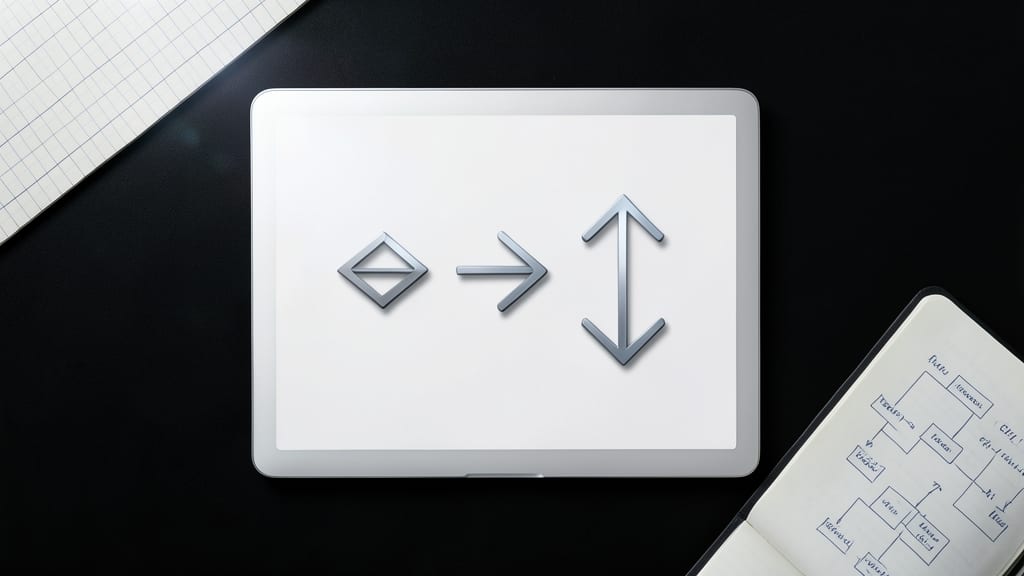
Need to create a flowchart or diagram without dragging in image files? The arrow symbols (←, →, ↑, ↓) are your secret weapon—inserting directional cues instantly with just a few keystrokes. These symbols eliminate the need for external graphics, saving time and keeping your documents clean and editable.
On Windows, type Alt + 24 for ←, Alt + 25 for →, Alt + 26 for ↑, or Alt + 27 for ↓ using the numpad. Mac users can use Option + [ for ←, Option + ] for →, Option + Shift + 9 for ↑, and Option + Shift + 8 for ↓. In Microsoft PowerPoint or Google Slides, these symbols auto-format as arrows when inserted into shapes. For programming, they’re useful in pseudocode or state machines.
Perfect for educators, project managers, and designers who frequently create visual guides. Whether you’re mapping workflows or annotating code, these symbols keep your work sharp and professional. ⚡
Angstrom Symbol for Scientific Writing
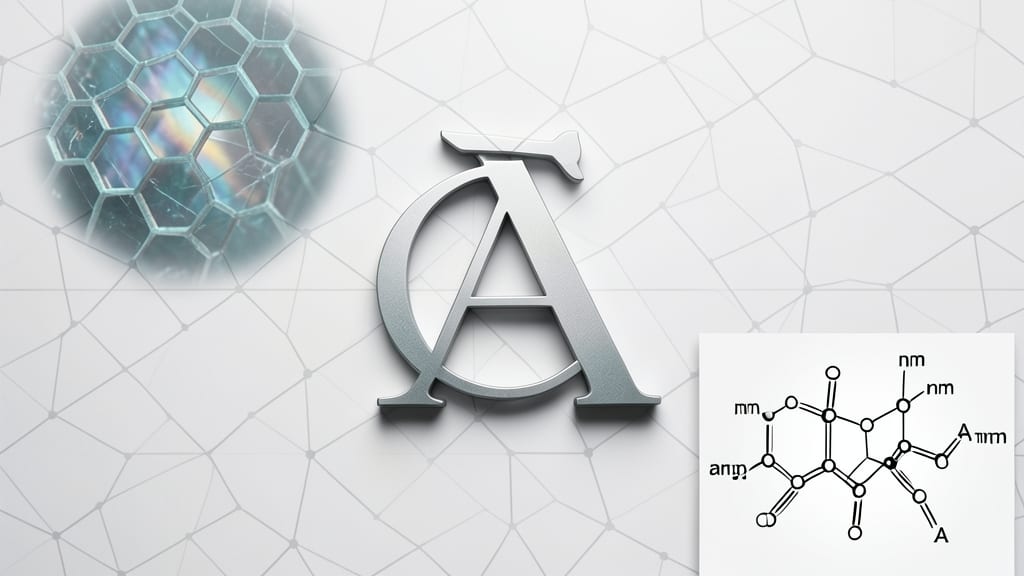
If you’ve ever spent minutes searching for the perfect symbol to denote atomic-scale measurements, the angstrom symbol (Å) is your time-saver. Representing 0.1 nanometers, it’s the gold standard for chemists, physicists, and engineers documenting molecular distances—think bond lengths or crystal structures—without manual symbol insertion.
On Windows, type Alt + 0197 on the numpad to insert Å instantly. For Mac users, hold Option + Shift while pressing the A key (on a US layout). In LaTeX, simply use \AA for seamless integration into technical documents. This tiny symbol eliminates the need for external fonts or copy-pasting, ensuring consistency across reports and publications.
Perfect for researchers, lab technicians, or anyone working with periodic tables, spectroscopy data, or nanotech specs, this shortcut keeps your work precise and professional. ⚡
At Sign for Email and Logins
Tired of fumbling for the Shift key every time you need an @ symbol? This tiny but mighty character is the backbone of emails, usernames, and even Python imports—yet most people waste seconds hunting for it. The good news? There’s a faster way.
On Windows, press Alt + 64 on the numpad (hold Alt, type 64, release). On Mac, use Option + Shift + 2. For Linux, try Ctrl + Shift + U, then type 0040 and hit Enter. Pro tip: Programmers often map @ to a dedicated key via keyboard remapping tools like AutoHotkey or Karabiner.
This shortcut is a game-changer for developers, marketers, and anyone who types emails daily. No more breaking your flow—just Alt + 64 and keep coding (or replying). ✨
Alpha Symbol for Mathematical Text
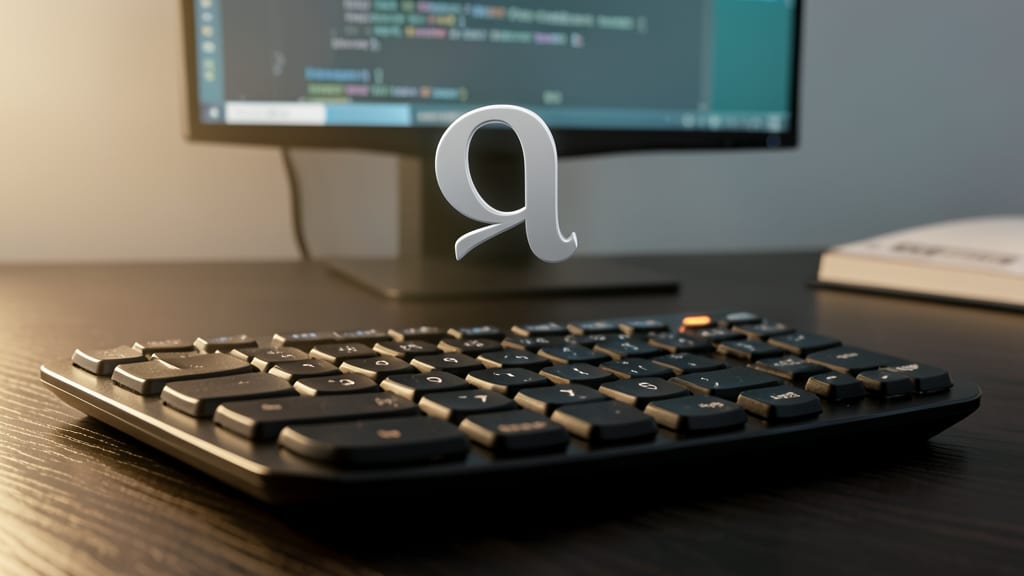
Need to type the Greek alpha (α) symbol without switching to a math font? This elegant character isn’t just for textbooks—it’s a staple in algorithms, physics equations, and programming (like Python’s α in machine learning libraries).
On Windows, press Alt + 945 on the numpad (ensure Num Lock is on). Mac users can type Option + A, while Linux often supports Compose + a. No special fonts required—your document or IDE will recognize it instantly.
Perfect for data scientists, engineers, or students writing proofs. Skip the manual symbol lookup and type α in seconds. ✨
Asterisk for Bullets and Wildcards
The asterisk () isn’t just for old-school phone numbers—it’s a dual-purpose powerhouse in both writing and computing. Whether you’re jotting down quick notes or searching for files, this tiny symbol packs a punch with zero setup required.
In Windows/Linux, type to create instant bullet points in Markdown or plaintext (e.g., Item 1 → bullet). But its real superpower? File search wildcards—use txt to find all .txt files or report to grab documents with "report" anywhere in the name. Even in programming, it’s a wildcard in regex (e.g., file.csv) or a placeholder in Python’s args.
Perfect for developers, writers, and power users who want to shave seconds off repetitive tasks. Master this, and you’ll never reach for a mouse again. ✨
Angle Brackets for Code and XML

If you’ve ever spent minutes hunting for the < or > keys while writing HTML, XML, or LaTeX, you’re not alone. These angle brackets are the backbone of structured documents, yet most keyboards hide them behind awkward key combos—until now.
On Windows, press Shift + , (comma) for < and Shift + . (period) for >. Mac users can type Option + , and Option + ., while Linux defaults to Ctrl + Alt + < and Ctrl + Alt + >. In VS Code, auto-complete even suggests closing tags when you type `
LaTeX, \langle and \rangle generate stylized versions, perfect for mathematical notation.
Developers and data scientists will love how these symbols streamline tagging, schema validation, and document parsing. No more digging through special character menus—just type, code, and conquer. ⚡
Ampersand for Legal and Logical Operations
Ever drafted a contract or written code where "and" just didn’t cut it? The ampersand (&)—that elegant, curly symbol—is the secret weapon for legal documents, programming logic, and abbreviations like "B&B." Unlike its wordy counterpart, it saves space while maintaining precision, especially in fields where every character counts.
In programming, && becomes the logical AND operator, evaluating conditions (e.g., if (x > 0 && y < 10)), while in contracts, it’s the go-to for concise clauses like "John & Mary." Typing it is simple: Hold Shift + 7 on most keyboards, or use Alt + 0146 if you’re on a laptop without a dedicated key. Its versatility extends to branding (e.g., "AT&T") and even emoji shortcuts (like © for ©).
Lawyers, developers, and marketers will appreciate how this single symbol replaces multiple words—no more hunting for "and" replacements. It’s the unsung hero of clarity and efficiency. ✨
Alt Code Shortcuts for Special Characters

Tired of hunting through menus or memorizing complex Unicode sequences just to insert symbols like § or ¶? The Alt + Num Pad method unlocks a hidden shortcut library built right into Windows—no extra tools required.
Simply hold Alt, type the four-digit Alt Code (e.g., 0167 for §), then release Alt. Need a paragraph symbol? Use 0182. This works for 256+ symbols, including currency (€), math (∑), and typography (™). Even better, it’s zero-config—no plugins or language packs needed.
Perfect for student papers, legal docs, or creative projects where symbols add polish. No coding or tech expertise required—just a num pad and 10 seconds to learn. ✨
Arrow Quotes for Emphasis in Writing
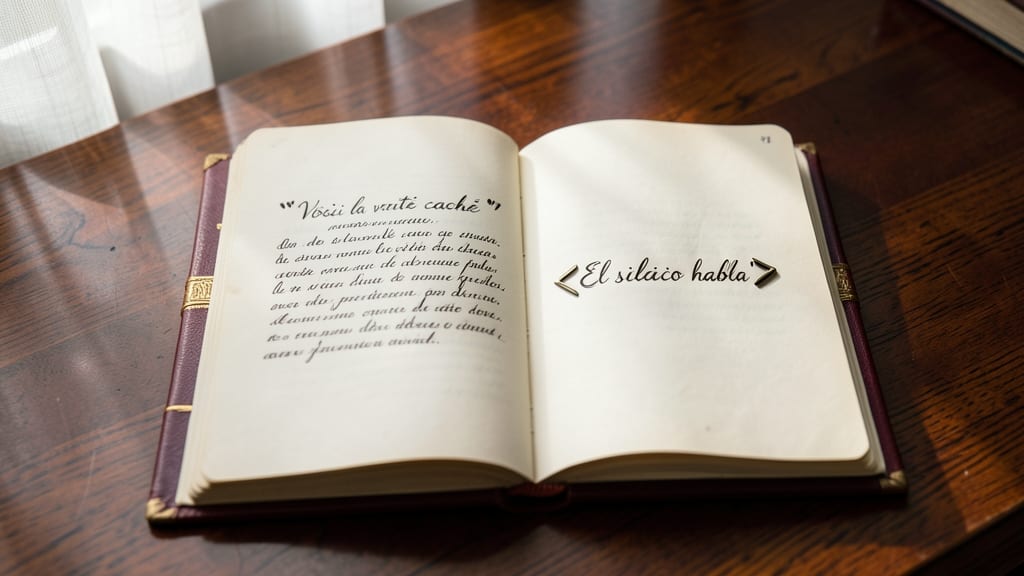
Tired of plain quotation marks stealing the spotlight from your prose? The arrow quotes (« »)—also called guillemets—are the secret weapon of translators, poets, and stylish writers everywhere. These elegant typographical symbols add sophistication to quotes in French, Spanish, and English texts, making your writing stand out without relying on generic " " marks.
On most keyboards, you can type them using Alt + 0171 (for «) and Alt + 0187 (for ») on Windows, or Option + [ and Option + ] on Mac. In Microsoft Word, enable the AutoCorrect option to insert them automatically when you type << or >>. Their curved design makes them perfect for nested quotes or formal documents where precision matters.
Writers of literary fiction, translations, or legal documents will love how arrow quotes elevate their work. Try them in your next draft—your readers (and editors) will notice the difference. ✨